
"dried coffee processing"
20000 article(s) found

Coffee harvesting and production process Coffee beans harvesting
Harvest times vary from country to country and from region to region. The harvesting process requires a lot of manpower, especially for high-quality specialty coffee, and only fully ripe red coffee cherries can be picked. Because all coffee cherries do not ripen at the same time, it is necessary to return to the same tree several times to pick them. Coffee beans come from a mature seed called a coffee cherry

Detailed explanation of two methods in the processing of Coffee fresh beans
Wet treatment requires the use of specific equipment and a large amount of water. When properly operated, it can ensure that the original quality of coffee beans is better preserved, producing homogeneous coffee beans with few bad beans. As a result, coffee beans produced in this way are generally considered to be of better quality and charge higher prices. Even after careful harvest, a certain amount of underdried and undercooked coffee

Description of Flavor of Coffee beans treated with Solar Water and Honey introduction to Grinding scale of varieties
Flavor description of coffee beans treated with sun water and honey grinding scale introduces that the honey treatment process is vulnerable to pollution and mildew and needs to be closely monitored, constantly turned, and accelerated drying in order to avoid bad fermentation flavor. Its advantage is that it can best preserve the original sweet flavor of the ripe fruit of coffee, making the coffee show light black sugar flavor and drupe flavor, while berry flavor

What are the processing methods of coffee beans? Drying and washing method
There are two ways to prepare coffee beans for coffee roasting. The method chosen has a significant impact on the final price and quality of coffee. The cheapest method of processing is called drying, which is used for lower-grade coffee beans, while higher-quality coffee beans are processed by wet treatment. Drying is used for unwashed coffee beans. Wet treatment for thoroughly washed or semi-washed

Flavor characteristics of Rwandan Coffee treated by Information Solar and Honey in Rwanda Rugali Lugali processing Plant
Professional coffee knowledge exchange more coffee bean information Please pay attention to Coffee Workshop (Wechat official account cafe_style) Rugali processing plant is one of the only two recognized possible processing plants in Rwanda for sun and honey treatment. the climate and environment here in Rugali allows beans to dry at a slower rate. This kind of slow drying can retain the complete flavor in the coffee bean cells.

The process of processing and fermentation of Ethiopian coffee by washing
Ethiopian coffee washing is used to process fermented coffee. Coffee is either dried naturally on the patio, or dried by machine, or both. The treatment is to spread the coffee cherries widely on the exposure field for two weeks and sweep them with a rake several times a day so that the coffee beans can be dried more evenly. When dried, the coffee beans will be separated from the skin and dried by a sheller.
Coffee knowledge the birth of raw coffee beans
The harvested coffee fruit is transported to the processing plant. The factory processes peeling, fermentation, drying, sorting and other processes for processing coffee beans. Remove the pulp, pick out the bad beans, soak and ferment in water, and re-dry in the sun. After this series of complex processes, you can get fresh raw beans. This process has a great impact on the quality of coffee beans.

What is the difference between coffee tanning and washing?
Coffee treatment introduces that the fruit begins the process of sun drying without treatment after picking. This is the oldest method of treatment in existence. The drying process usually lasts about 4 weeks. The method of handling must be very strict to ensure that the coffee does not lose any flavor. The natural sun method requires the local climate to be extremely dry. In some areas, people use dryers to help dry coffee fruits.
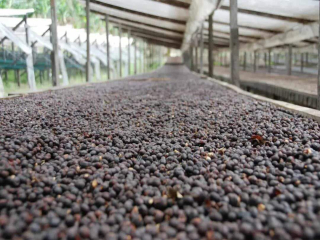
What are the steps of sun treatment? What are the characteristics of sun treatment? Basic knowledge of coffee flavor performance of sun treatment.
Whether a coffee bean tastes good or not depends on three places: growing environment, treatment process, and baking. What we are going to talk about today is its treatment process, which has always been an important part of coffee. As a process of shelling and taking beans, different treatment methods and quality will directly affect the final flavor of coffee. I'm coming next.
Detailed explanation of two methods in the processing of raw coffee beans
Wet treatment requires the use of specific equipment and a large amount of water. When properly operated, it can ensure that the original quality of coffee beans is better preserved, producing homogeneous coffee beans with few bad beans. As a result, coffee beans produced in this way are generally considered to be of better quality and charge higher prices. Even after careful harvest, a certain amount of underdried and undercooked coffee

Coffee Xiaobai classroom, coffee raw bean treatment, grading of honey treatment
Professional coffee knowledge exchange more coffee bean information Please follow the coffee workshop (Wechat official account cafe_style) Coffee has become a favorite in the beverage industry because of its strong flavor, round taste and mellow taste. People's busy work is inseparable from the refreshing effect of coffee, and people's leisurely life is inseparable from the pleasant embellishment of coffee. The love of coffee drives people constantly.

The basic knowledge of coffee beans processing method
Coffee bean processing When the hard bean farmers, will be ripe red coffee "cherry" pick down, coffee beans magic adventure will begin. To convert coffee fruit into raw coffee beans, the peel and pulp of coffee fruit need to be removed, leaving seeds or beans, and drying. This refining process usually has two main processing methods: washing method (wet method) and drying.

What is the coffee wet planing method? wet peeling and washing process of coffee beans
The drying process in Coffee Workshop (official Wechat account cafe_style) seems simple: pick the fruit and put it in the sun until it changes from red to brown to close to black, then peel off the thick, dry outer layer, and the mung beans can be exposed in one step. This is a method suitable for arid areas, where

Processing raw coffee and raw beans are generally washed and dried.
Raw beans generally use washing and drying methods, both of which can produce high quality raw beans. First, washing method: generally speaking, there will be more distinct acidity and more consistent flavor. In the process of washing, the pulp is immediately separated from the raw bean, rather than drying it. The steps are as follows: 1. Selection: put the fruit in the sink and let stand for about 24 hours. Mature and immature due to
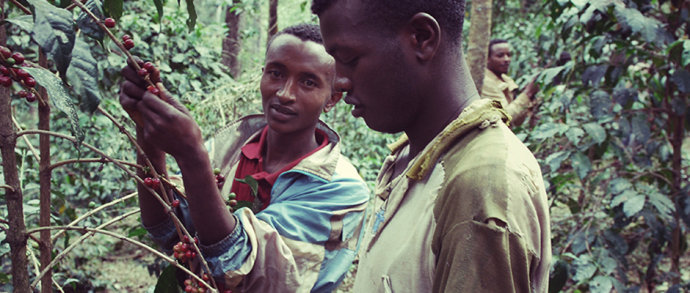
The harvest and processing flow and two basic processing methods of coffee beans in India and West Asia.
Picking: due to climatic differences, the harvest season is usually from September to March in the Northern Hemisphere and from April to August in the Southern Hemisphere. When the coffee beans are ripe, they can be picked. In many alpine slopes, coffee must be picked manually. In relatively flat producing areas such as Brazil, Australia and Hawaii, they can be picked by machines. These two methods

Post-harvest processing of high-quality coffee beans
After the harvest coffee bean processing: coffee berries must be processed immediately after picking to prevent pulp fermentation and decay. Coffee beans can be processed in two ways, wet and dry. The drying method is also called the natural method. Spread the coffee berries flat in the sun to dry. In the plantation, 50 square meters of coffee berries are laid on each hectare, or

Several common methods for the treatment of coffee beans the processing of sun-cured coffee beans is so simple and rough.
Professional coffee knowledge exchange more coffee bean information please follow the coffee workshop (Wechat official account cafe_style) front street-coffee processing method introduction washing method: washed coffee accounts for 35% of the export. Good quality washed coffee is processed with freshly picked fully ripe fruit, picked carefully and closely monitored by professionals. The picked clean coffee beans were picked on the day of picking.

Harvest and production of coffee the processing and operation of coffee beans the picking of coffee beans
The collection time is different in different countries and regions. The harvest process requires a lot of manpower, especially high-quality coffee, which can only pick fully ripe brown coffee peaches. Since all coffee peaches do not ripen at the same time, you need to go back to the same tree many times to pick them. Coffee beans come from a ripe peach called cherrie.
The harvest and production process of coffee
The collection time is different in different countries and regions. The harvest process requires a lot of manpower, especially high-quality coffee, which can only pick fully ripe brown coffee peaches. Since all coffee peaches do not ripen at the same time, you need to go back to the same tree many times to pick them. Coffee beans come from a ripe peach called cherrie.

Coffee bean picking process, growth process, year flavor description, taste, variety origin.
The picking process of coffee beans the year flavor description of the taste varieties are selectively picked in the producing area, that is, walking between the trees several times at intervals of 8-10 days and picking only those ripe red berries and coffee beans of higher quality. Advantages: the picked coffee fruit is uniform in size, similar in maturity and free of other impurities, which is beneficial to post-processing. Disadvantages: high cost